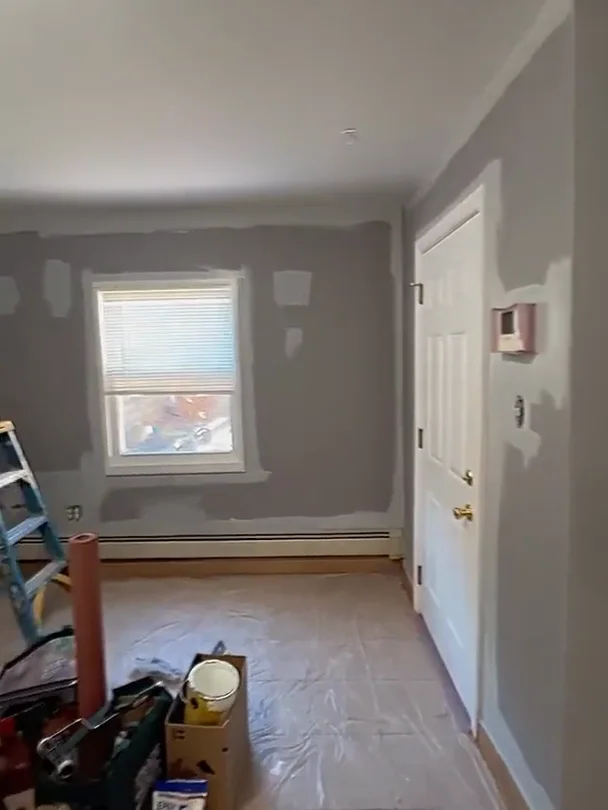
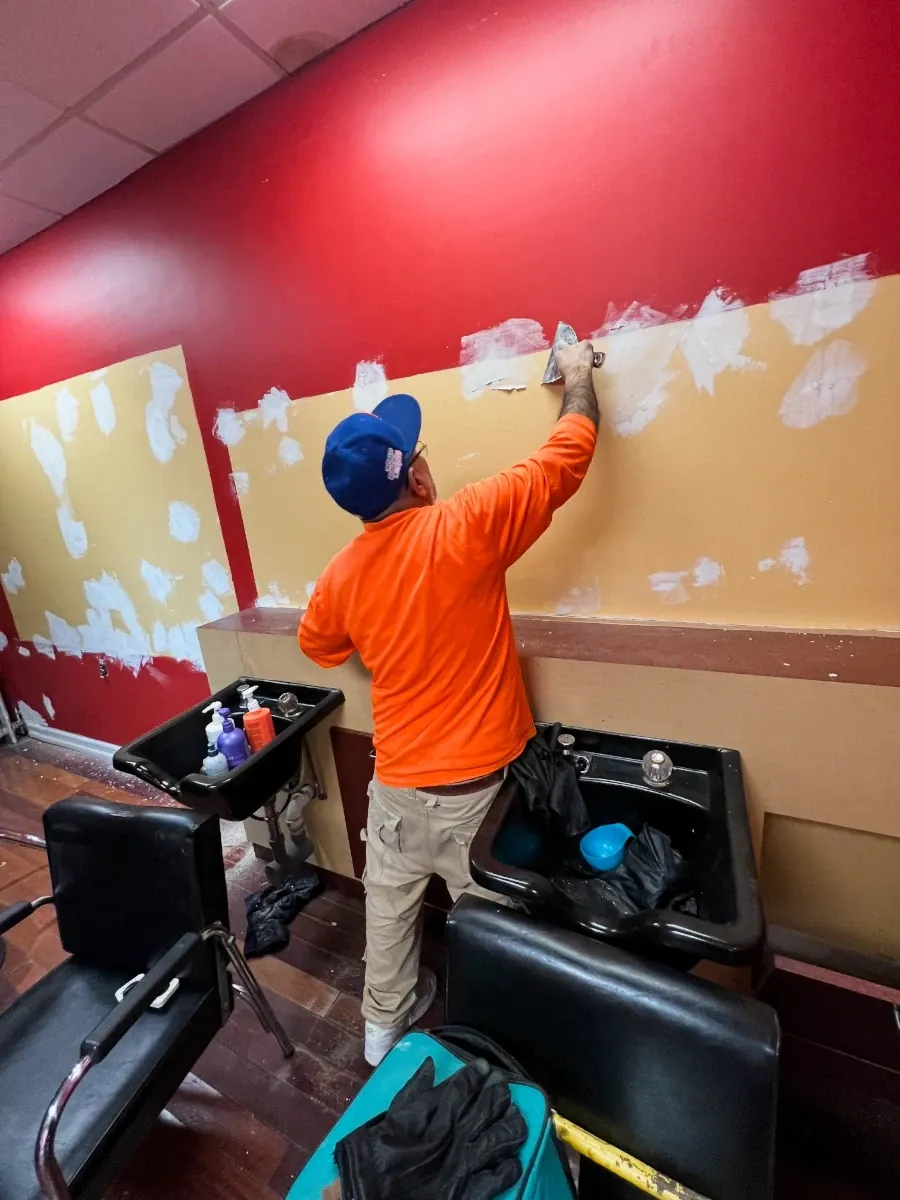
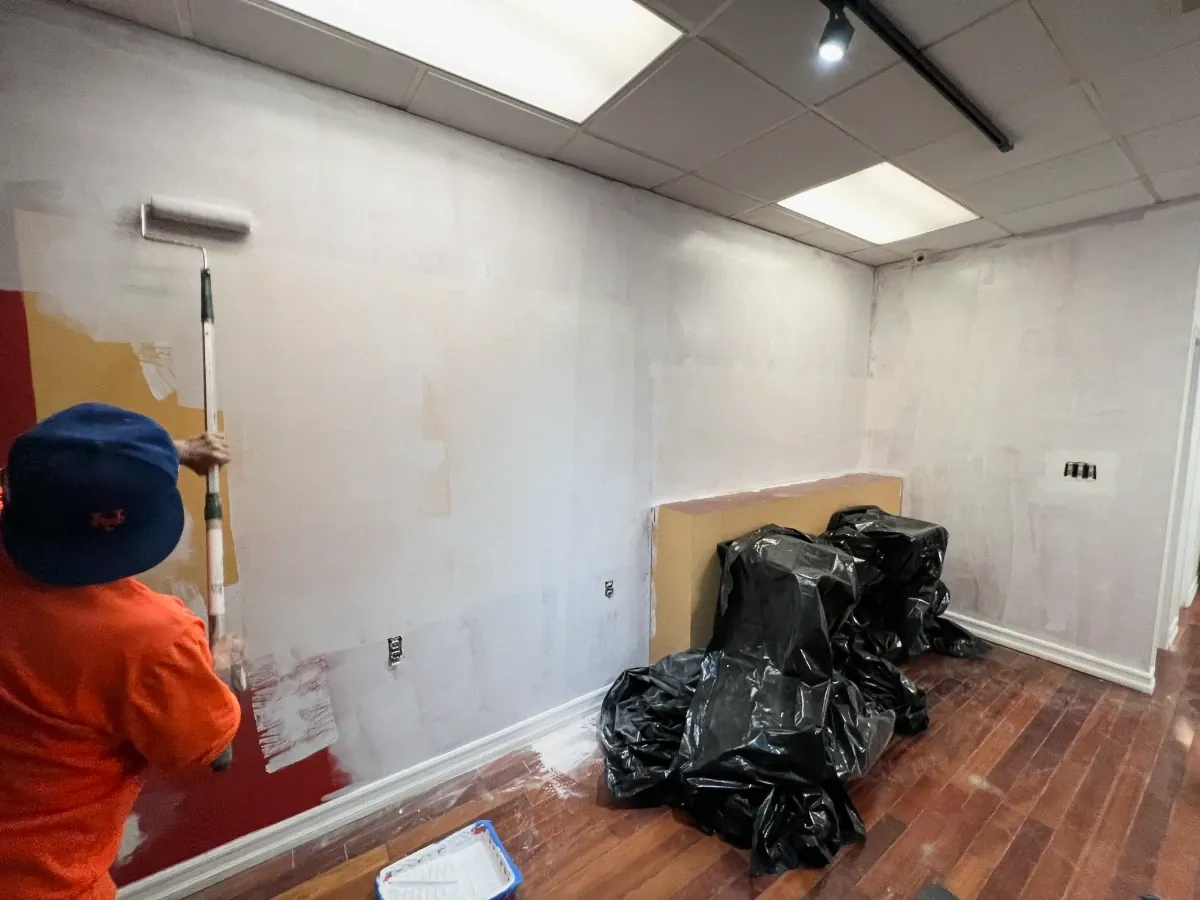
If you own or manage rentals, two city laws shape how and when apartments get painted. Under the NYC Housing Maintenance Code (Administrative Code § 27-2013), the owner of a building with three or more apartments must repaint the walls and ceilings of occupied apartments every three years, and more often when a lease or another law requires it. Owner and tenant can defer the repaint by up to two years, but only in a separate agreement made within the last month of the three-year period, never in the lease. Owners must also keep records of when each apartment was last painted and by whom, so keep every invoice.
Local Law 1 of 2004 adds lead rules. Owners of buildings built before 1960, and of 1960–1978 buildings where the owner knows of lead-based paint, must presume the paint contains lead; co-op and condo units rented to tenants are covered too. Where a child under 6 routinely spends 10 or more hours a week, the owner inspects the apartment every year and fixes peeling paint and other lead hazards using safe work practices.
At every turnover in a pre-1960 multiple dwelling, owners must complete specific lead work before the next tenant moves in, whether or not a child will live there: removing lead paint from the friction surfaces of doors, door frames and windows, and making bare floors, windowsills and window wells smooth and cleanable. HPD's safe work rules call for an EPA-certified firm and workers, then a dust clearance test by an EPA-certified inspector or risk assessor independent of the owner and the contractor. Plan the turnover so the lead work, the clearance test and the repaint all fit between move-out and move-in.