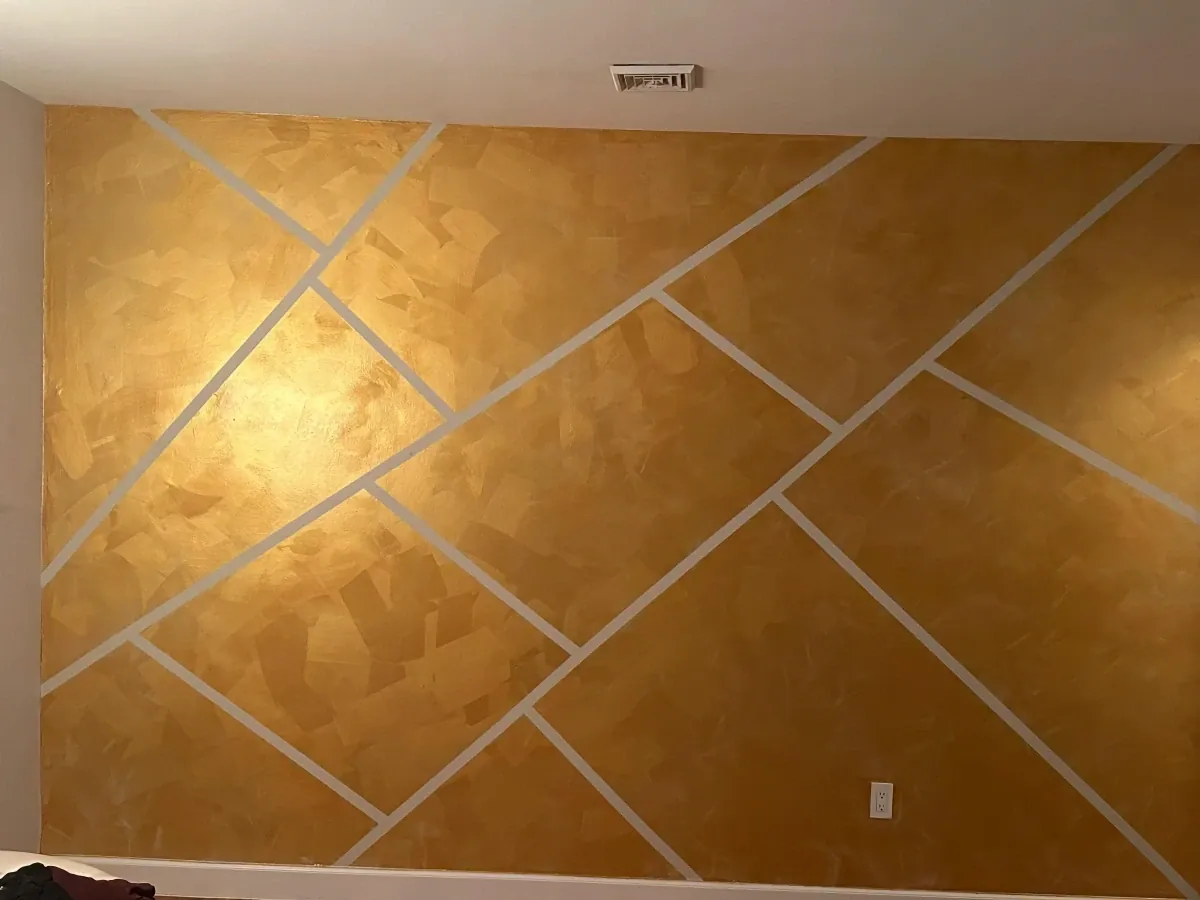
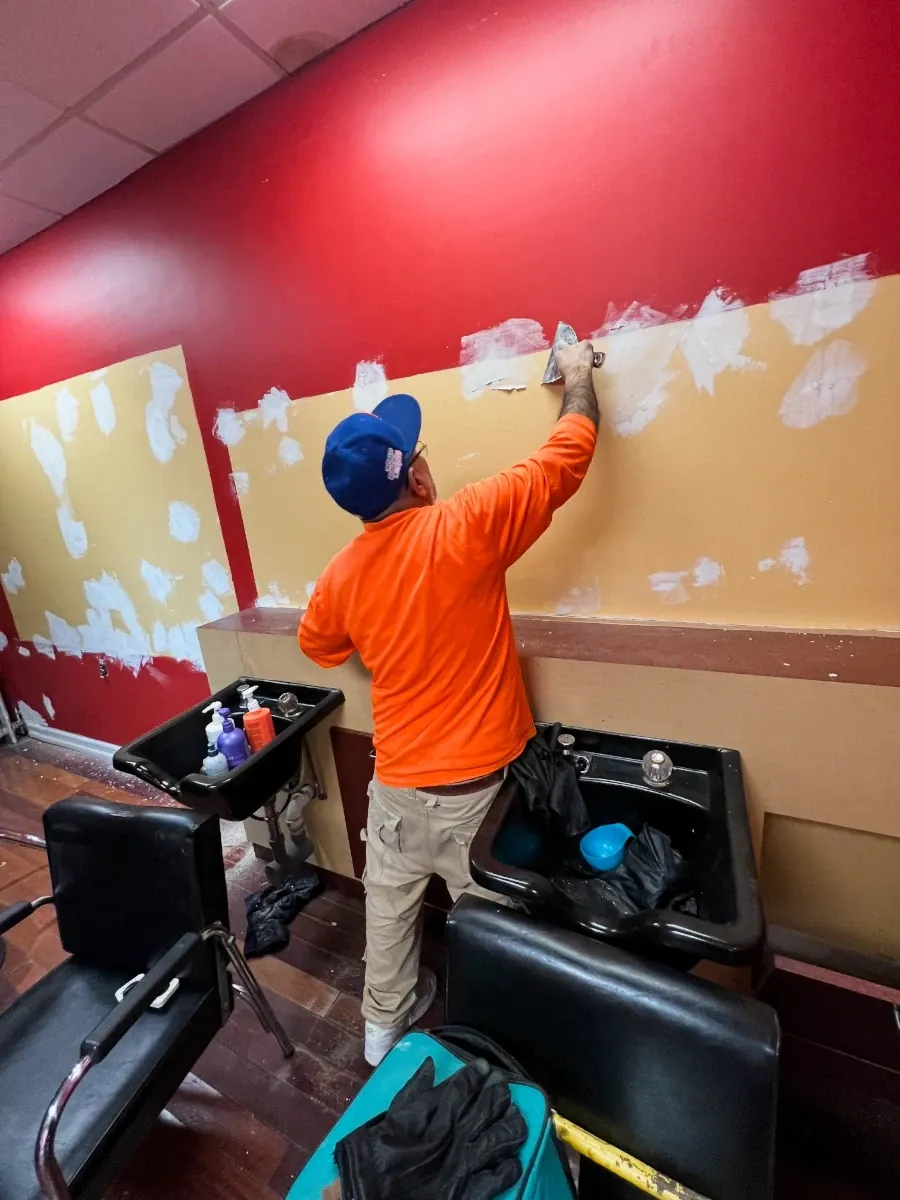
Interior painting in a Brooklyn brownstone starts with the plaster: many walls are still original, and paint is only as good as what's under it. Before finish coats we reattach loose plaster, rebuild failed sections, tape and fill settlement cracks, and skim patched walls so they read as one surface.
Cornices, medallions and door casings carry decades of paint that has softened their detail, and a repaint can't bring it back. Restoring it means removing paint, which in a pre-1978 house falls under federal lead-safe rules, so decide at the estimate, not halfway through.
Two old-house traps: ceilings that still carry calcimine, a chalky early paint that new coats won't grip (it has to be washed off and the ceiling sealed with a suitable primer), and oil-based trim, which needs cleaning, sanding and a bonding primer before waterborne paint will stick.
Parlor floors have the tallest ceilings, plus mantels and floors to protect. Stair halls rise the full height of the house and are worked from safe setups on the stairs; eggshell or satin outlasts flat on their walls.